
Insights & Updates
From the Field
Industry insights, case studies, and perspectives on utility locating from our team and leadership.
From the Field
Real-world case studies, technical insights, and lessons learned from our project work across the Southeast.
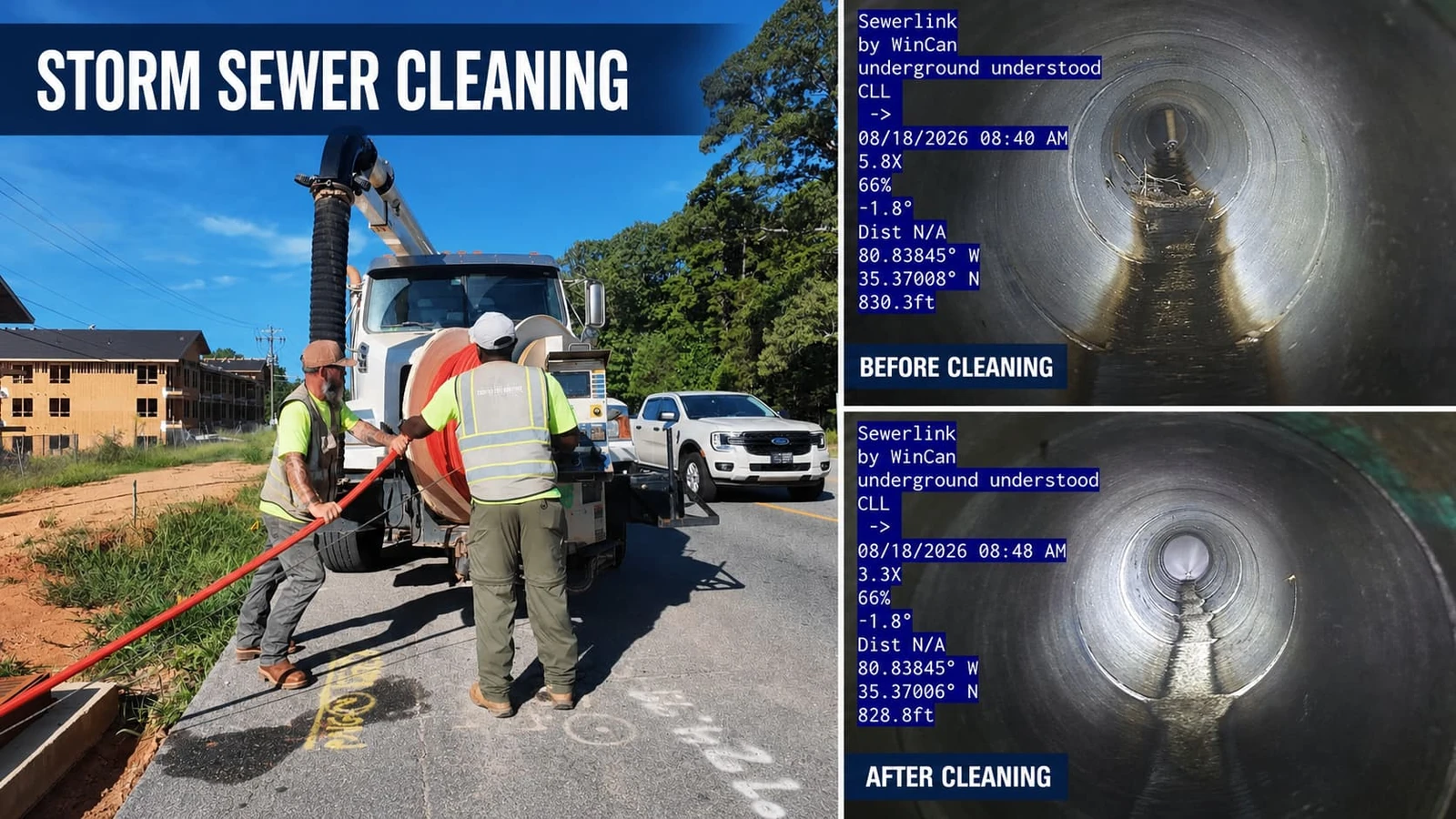
Video Pipe Inspection for Contractors and Engineers in Charlotte, NC: Know What's in the Line
A deteriorating sewer lateral, a storm line with root intrusion, a conduit run buried and forgotten — none of it surfaces until a project uncovers it or something fails. At that point, the schedule slips, the scope changes, and the budget takes a hit no one planned for.
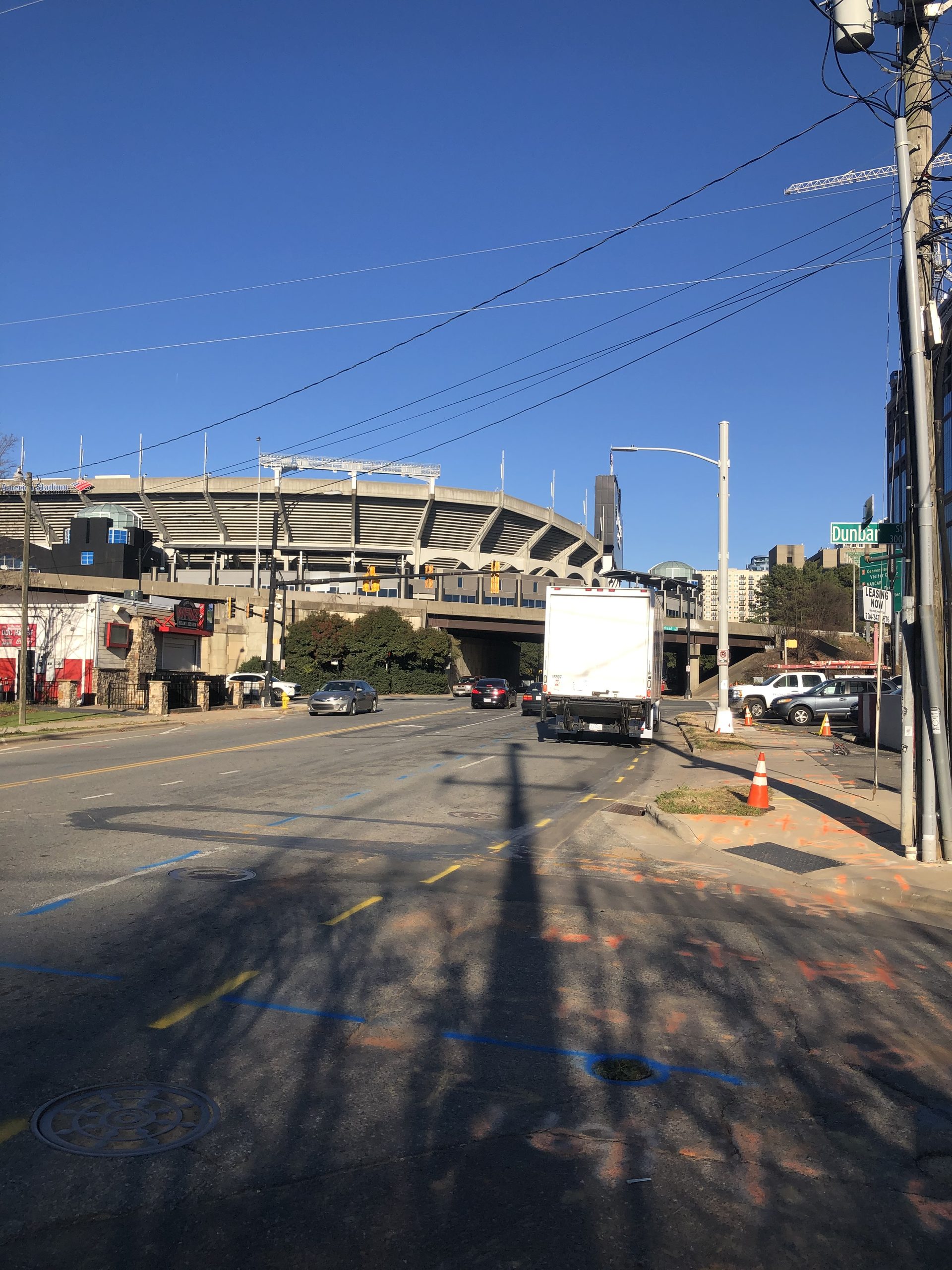
What We Look for Before Recommending Verification
Verification isn’t something we recommend automatically. From the field, we look for specific conditions that indicate when confirmation is necessary.
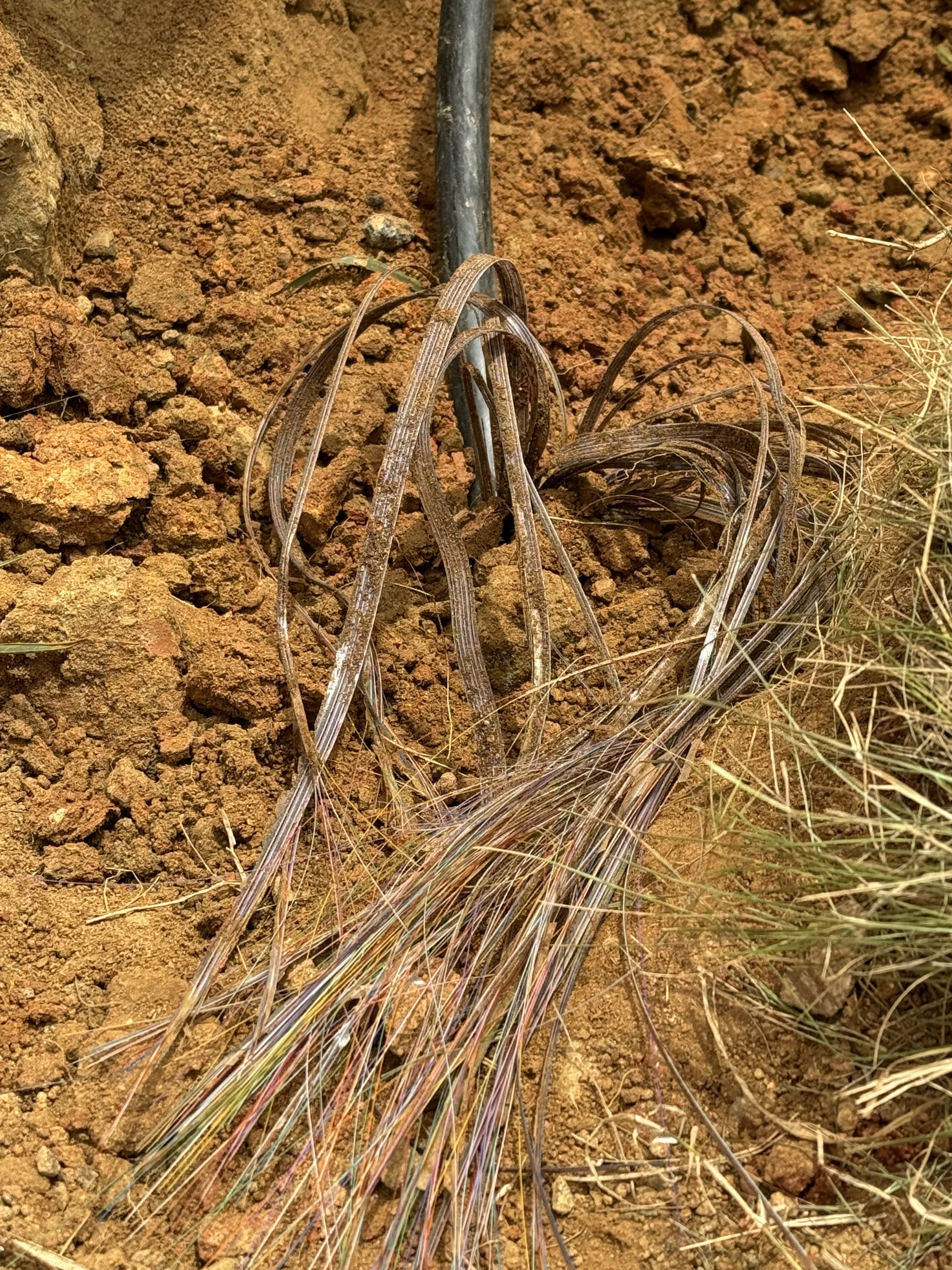
The Most Common Cause of Utility Damage Isn’t Bad Locates
When utility damage happens, the first assumption is often that the locate was wrong. In reality, that’s rarely the full story. From the field, we see damage occur most often because decisions were made without verification. Markings were interpreted as exact locations. Depth was assumed. Changes in direction weren’t confirmed. Private utilities were overlooked.
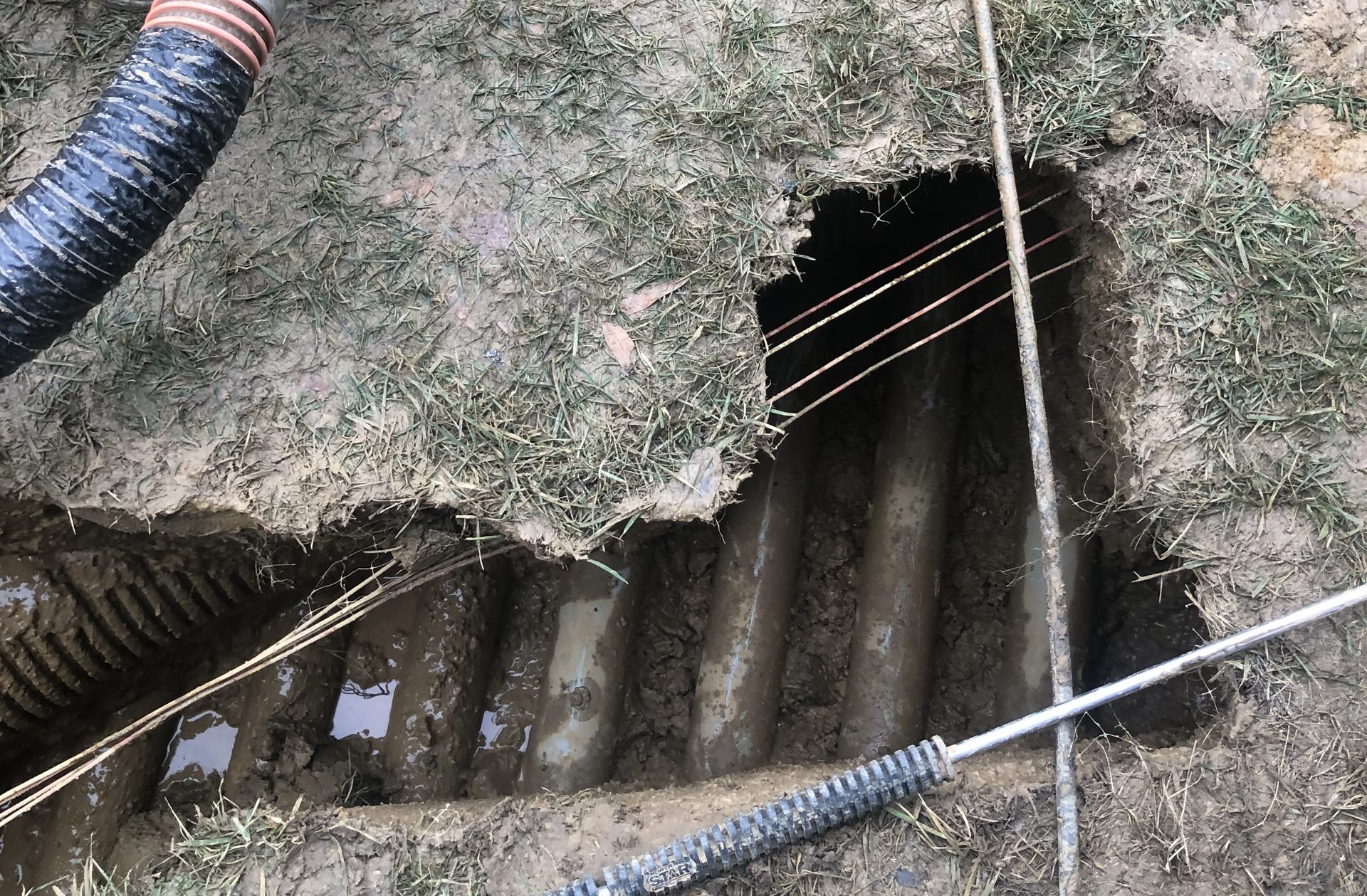
Why Utility Locating Alone Isn’t Always Enough
Every project starts with locating. It’s a necessary first step and one that no responsible team skips. But locating alone doesn’t always provide the certainty a project needs to move forward safely. We see this most often on sites with multiple phases of development, older infrastructure, or a mix of public and private utilities. Even when markings are clear, questions remain—especially around depth, direction, and proximity to planned work.
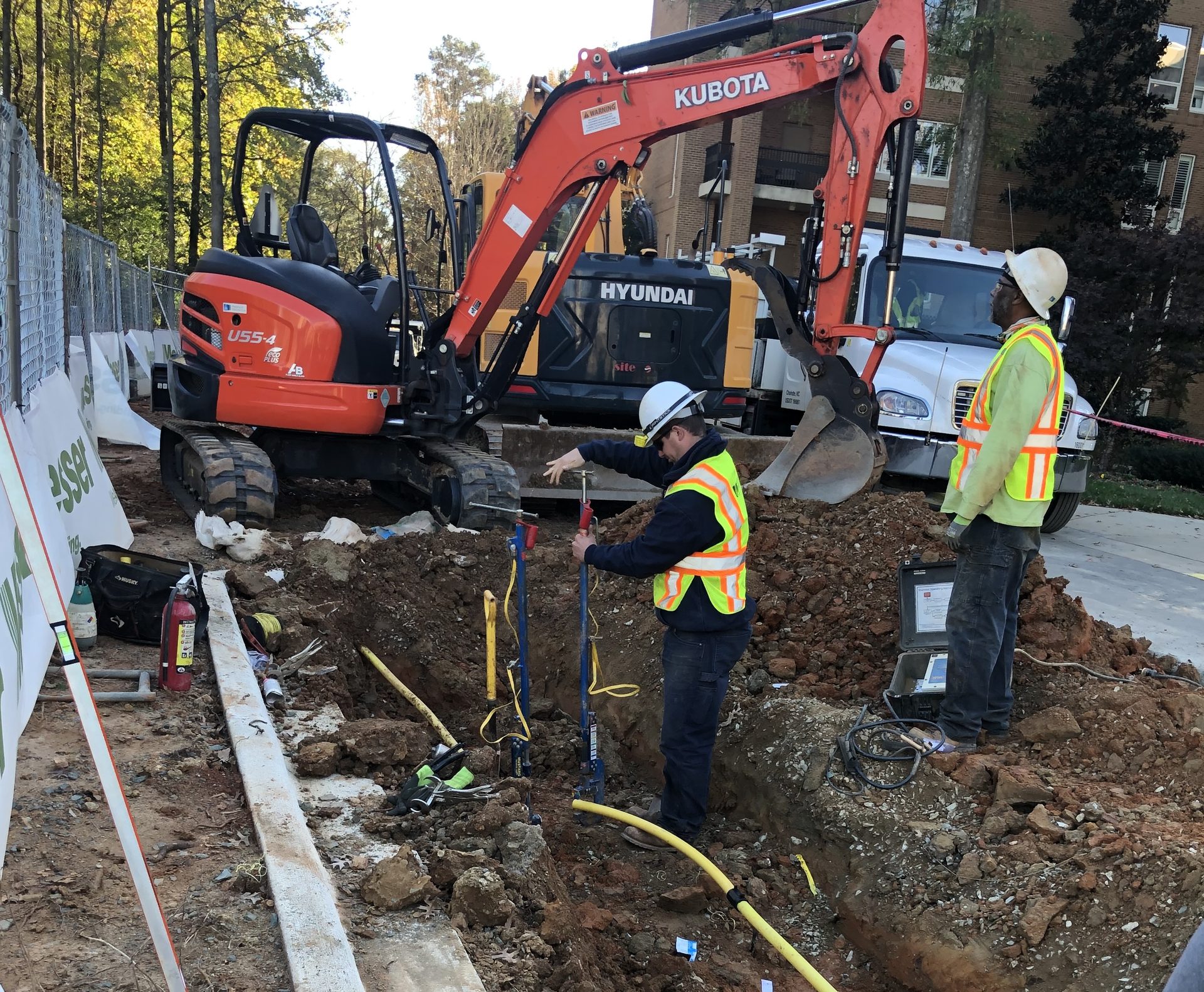
Lessons from the Field: When As-Builts Lie
A recent project in the Charlotte area reminded us why we never rely solely on existing documentation. Here's what we found—and what it cost the project.
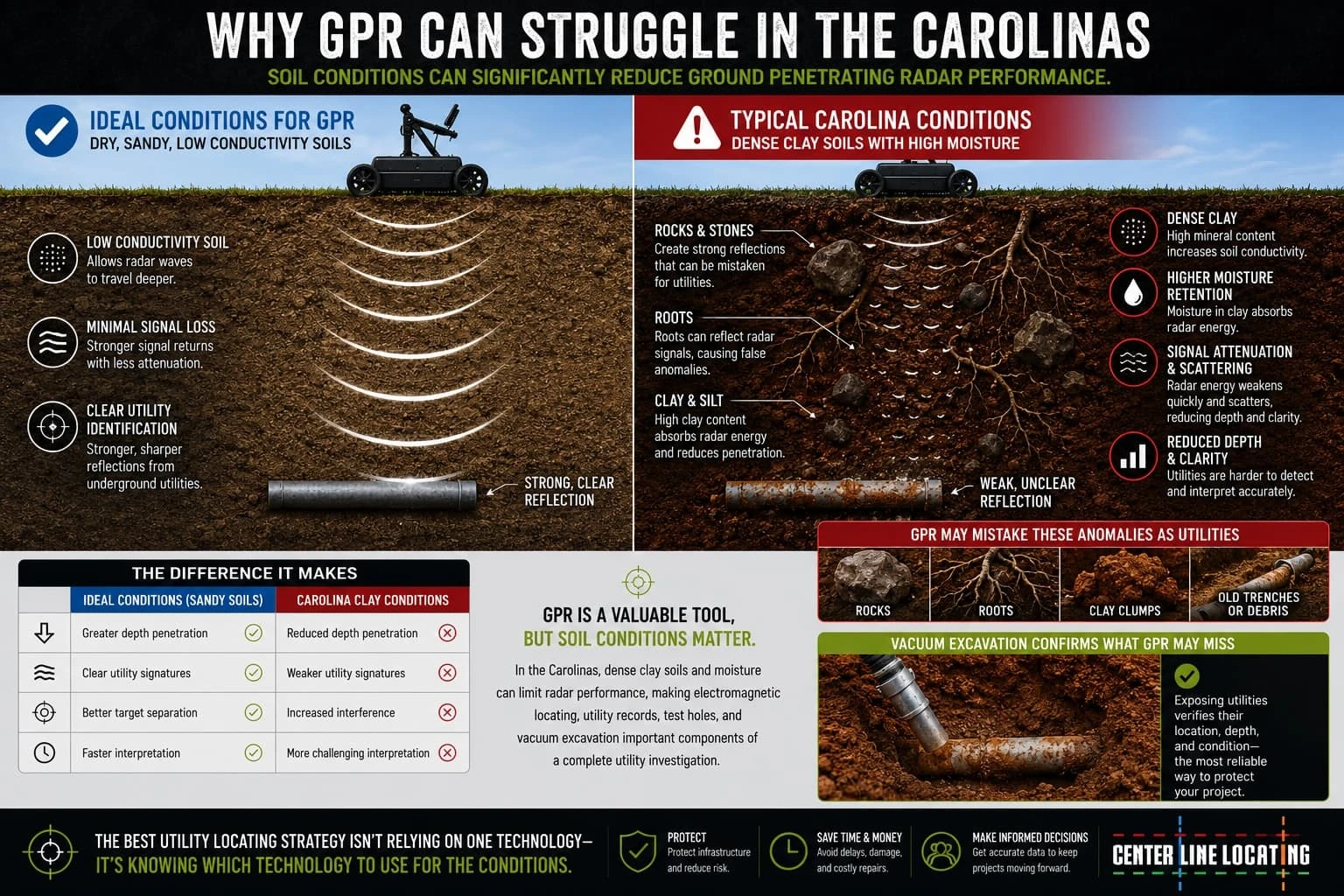
Why We Don't Sell GPR—We Use It
Ground Penetrating Radar is a powerful tool, but it's not a solution in itself. Here's why we focus on outcomes rather than equipment.